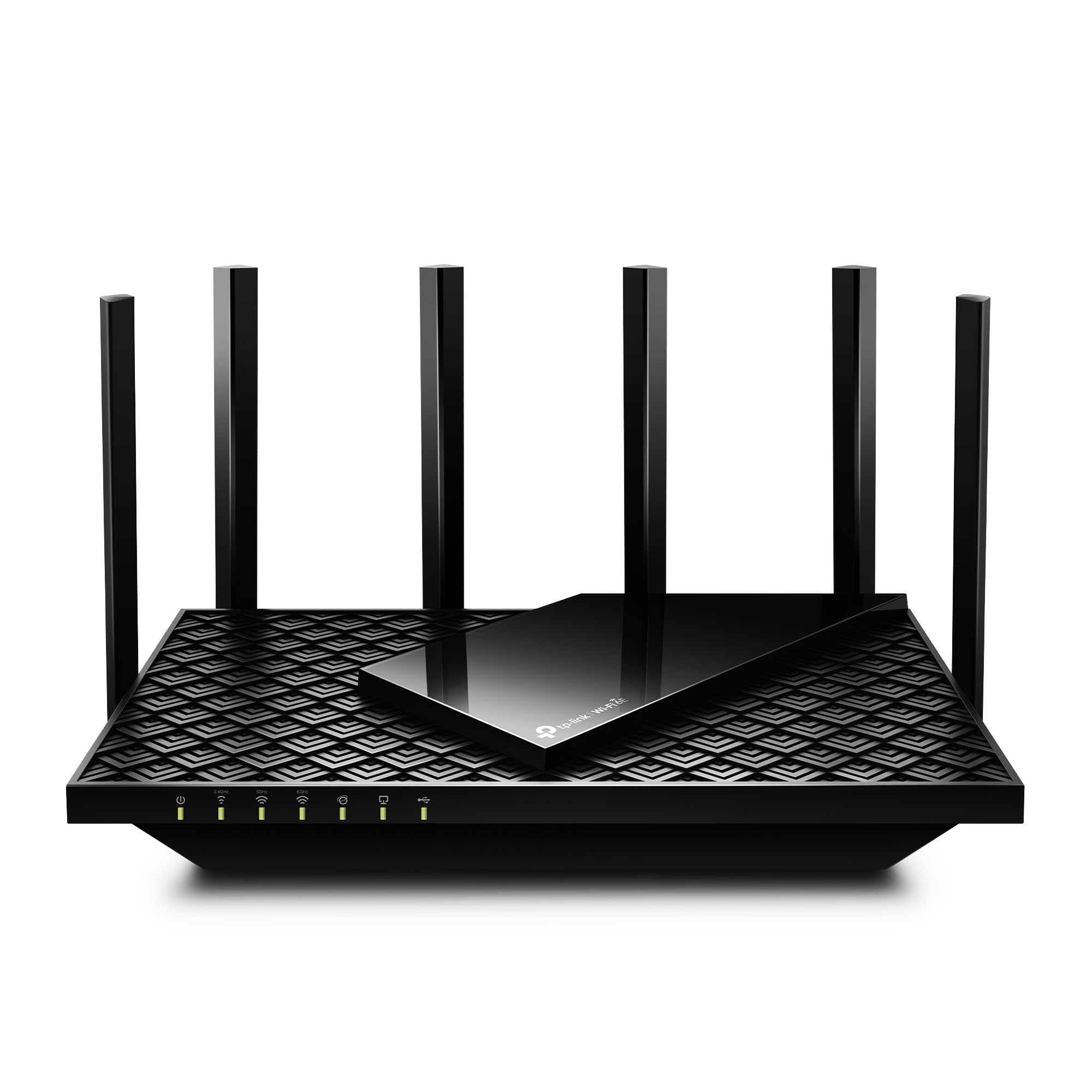
This tp link axe5400 review looks at the Archer AXE75, a tri-band Wi-Fi 6E router built around a dedicated 6 GHz band, OneMesh support, and VPN options.
It may suit households adding newer Wi-Fi devices while keeping older phones, computers, and smart-home gear on familiar bands.
Archer AXE75 Review Summary
The quick verdict
5,000+ ratings
Read Amazon ReviewsTP-Link Archer AXE75
A tri-band Wi-Fi 6E router for homes with compatible 6 GHz devices, multiple simultaneous users, and interest in VPN tools or expandable coverage.
- Tri-band Wi-Fi 6E: up to 2,402 Mbps on 6 GHz, 2,402 Mbps on 5 GHz, and 574 Mbps on 2.4 GHz.
- The 6 GHz band adds a connection option for compatible devices and supports channels up to 160 MHz.
- OFDMA and tri-band operation are designed to increase capacity for simultaneous device transmissions.
- A 1.0 GHz dual-core CPU and 512 MB of memory support the router’s network functions.

Pros
- Dedicated 6 GHz connectivity is useful for compatible Wi-Fi 6E devices.
- Three bands provide options for distributing household devices by compatibility and network use.
Consider before buying
- The 6 GHz band is useful only for devices that support it, so households with mostly older Wi-Fi hardware may not benefit as much.
- The combined speed figure is a maximum across bands; your device, internet plan, placement, and surroundings affect actual results.
Read the full review summary
The Archer AXE75’s main draw is its three-band design: up to 2,402 Mbps on both 6 GHz and 5 GHz, plus up to 574 Mbps on 2.4 GHz.
That gives compatible devices access to 6 GHz while leaving the more established bands available for other household connections.
The combined AXE5400 class figure is a theoretical wireless maximum, not a promise that one device or an internet plan will reach that speed.
It also combines OFDMA, a 1.0 GHz dual-core processor, 512 MB of memory, VPN client and server support, and basic HomeShield features.
Consider it if your household has Wi-Fi 6E devices and you want a router with room to distribute traffic across bands.
For a new purchase, check that your devices can use 6 GHz and that your modem and internet plan fit your intended setup.
The buying factors
Archer AXE75 Scorecard
Editorial scores reflect listed features and buyer fit; they are not laboratory measurements or customer ratings.
Wi-Fi band flexibility
Three bands, including 6 GHz, give compatible devices an additional connection option alongside 5 GHz and 2.4 GHz.
Capacity features
OFDMA and tri-band operation are relevant for households with multiple devices communicating at once.
Wireless speed class
The listed combined maximum reaches AXE5400 class, though real throughput depends on the connection, devices, and conditions.
Network management
VPN client and server support, QoS, and basic parental controls offer useful configuration options.
Coverage expansion
OneMesh support provides a path to a compatible extender for expanding a home network.
Wired setup flexibility
A 2.5 Gbps WAN port can suit some faster internet plans; confirm the rest of your wired equipment matches your needs.
Key Features and Specifications of Archer AXE75
- Tri-band Wi-Fi 6E: up to 2,402 Mbps on 6 GHz, 2,402 Mbps on 5 GHz, and 574 Mbps on 2.4 GHz.
- The 6 GHz band adds a connection option for compatible devices and supports channels up to 160 MHz.
- OFDMA and tri-band operation are designed to increase capacity for simultaneous device transmissions.
- A 1.0 GHz dual-core CPU and 512 MB of memory support the router’s network functions.
- OneMesh compatibility allows pairing with a TP-Link OneMesh extender to expand coverage.
- VPN client and server support includes OpenVPN, PPTP, and L2TP options.
- Basic HomeShield features include a security scan, IoT device identification, parental controls, QoS, and weekly or monthly reports.
Pros and Cons of Archer AXE75
Pros
- Dedicated 6 GHz connectivity is useful for compatible Wi-Fi 6E devices.
- Three bands provide options for distributing household devices by compatibility and network use.
- OFDMA is intended to help manage simultaneous transmissions across multiple devices.
- VPN client and server support adds flexibility for users who want VPN functionality at the router level.
- OneMesh support offers an expansion route through a compatible TP-Link extender.
Consider before buying
- The 6 GHz band is useful only for devices that support it, so households with mostly older Wi-Fi hardware may not benefit as much.
- The combined speed figure is a maximum across bands; your device, internet plan, placement, and surroundings affect actual results.
- A modem is required for most internet providers, so buyers replacing a gateway should check what equipment their service needs.
Who Should Buy Archer AXE75?
Good fit
Consider the Archer AXE75 if you have Wi-Fi 6E phones, laptops, or other compatible devices and want access to a dedicated 6 GHz band.
The separate bands may also help organize a mixed household of newer and older devices, while OFDMA is designed for environments with many simultaneous connections.
It is also worth considering if you want router-level VPN client or server options and basic network tools such as QoS and parental controls.
Before choosing it, verify your modem arrangement, internet plan, and whether the router’s 2.5 Gbps WAN connection fits your wired service.
For a larger home or awkward layout, check whether a compatible OneMesh extender is an appropriate addition. Treat that as an expansion option rather than assuming one router will provide uniform signal everywhere.
Who should skip it
Skip this model if your main goal is to use Wi-Fi 7 features or you are building a network around multi-gig wired connections beyond the WAN option described here.
A newer router may better suit that specific upgrade path.
If your devices do not support 6 GHz and your current setup already meets your needs, the AXE75’s defining band may offer little practical value. Compare routers based on the devices and internet service you actually use.
How the Archer AXE75 fits a Wi-Fi 6E home
What the extra band changes
The Archer AXE75 gives compatible devices access to 6 GHz while retaining 5 GHz and 2.4 GHz for the rest of the network.
That flexibility is most relevant when a household has newer devices alongside older equipment; the 6 GHz capability does not automatically improve connections for devices that cannot use that band.
Making sense of AXE5400
The AXE5400 label reflects the listed maximum rates across three bands, not the speed a single phone or laptop should expect. Actual results depend on the client device, distance, walls, interference, and internet service.
Use the band figures as a description of the router’s capacity, rather than a forecast for a particular room.
Multiple devices and traffic
OFDMA and a tri-band radio layout are designed to accommodate multiple simultaneous transmissions.
These features can be useful in a home with several active devices, but they do not guarantee that every connection will remain fast under every workload.
The 1.0 GHz dual-core CPU and 512 MB memory provide context for the hardware platform without establishing a specific performance result.
Expansion and control options
OneMesh provides a way to pair the router with a compatible TP-Link extender if coverage needs attention. VPN client and server support, along with basic HomeShield tools, adds network-management flexibility.
Buyers who depend on particular VPN protocols or parental-control features should confirm that the available options match their setup before purchase.
Alternatives to Archer AXE75
Computer Routers alternative
1,000+ ratings
Read Amazon ReviewsTP-Link Archer BE230
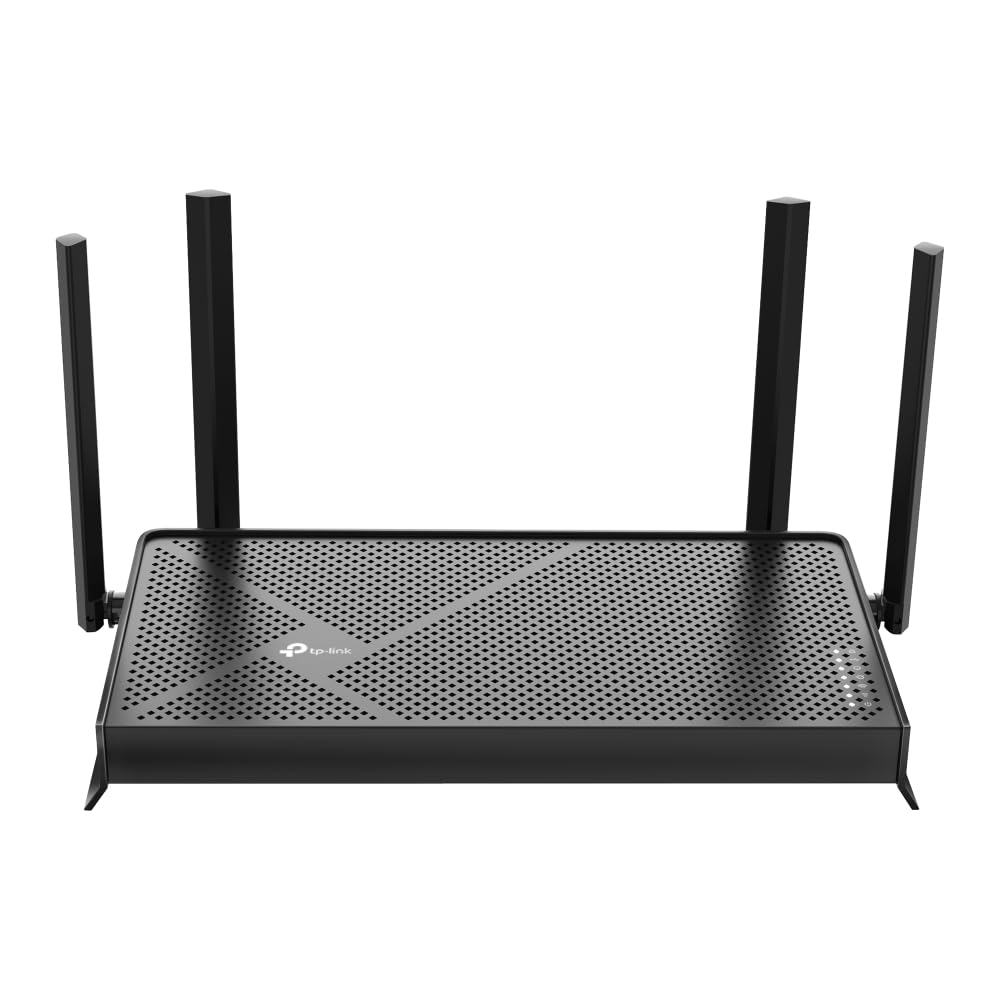
Choose the AXE75 if access to 6 GHz and tri-band flexibility matter most. Consider the BE230 if you prefer Wi-Fi 7 features and its additional multi-gig wired ports, while accepting a dual-band design without 6 GHz.
- The Archer BE230 is a dual-band Wi-Fi 7 router without 6 GHz.
- It lists up to 2,882 Mbps on 5 GHz and 688 Mbps on 2.4 GHz, two 2.5 Gbps ports, three 1 Gbps LAN ports, EasyMesh, and a USB 3.0 port.
- The Archer AXE75 offers tri-band Wi-Fi 6E, including a 6 GHz band, with VPN client and server support.
Computer Routers alternative
600+ ratings
Read Amazon ReviewsTP-Link Archer BE600
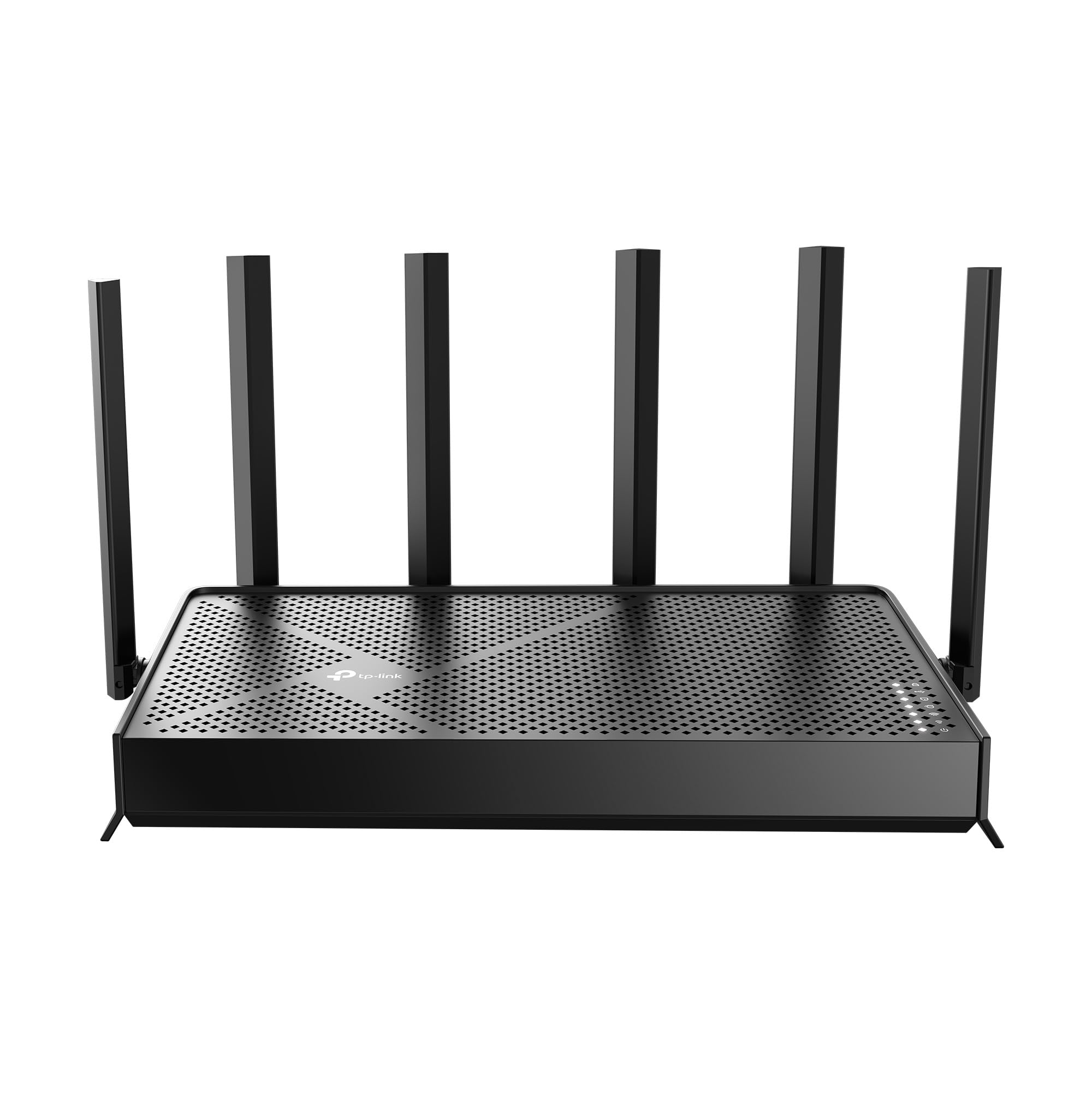
The BE600 is the stronger fit for buyers planning a Wi-Fi 7, higher-speed wired network or seeking its stated larger coverage and device capacity.
The AXE75 is a more modest Wi-Fi 6E option if you mainly want tri-band access and VPN support.
- The Archer BE600 is a tri-band Wi-Fi 7 router with up to 5,765 Mbps on 6 GHz, a 10 Gbps WAN/LAN port, one 2.5 Gbps WAN/LAN port, and three 2.5 Gbps LAN ports.
- Its listed coverage is up to 2,600 square feet for up to 120 devices.
- The Archer AXE75 is a Wi-Fi 6E model with three bands and a 2.5 Gbps WAN port.
Is Archer AXE75 Worth It?
The TP-Link Archer AXE75 is worth considering for a household that can use Wi-Fi 6E and wants tri-band flexibility, OFDMA, VPN options, and a route to extend coverage with a compatible OneMesh device.
Its feature mix addresses several common home-network needs without relying on a single headline speed figure.
Buy it when 6 GHz and its management options match your devices and setup.
If Wi-Fi 7 or a more extensive multi-gig wired layout is the priority, compare newer designs before deciding; if your devices are mostly older, the extra band may not justify an upgrade by itself.
Your review at a glance
5,000+ ratings
Read Amazon ReviewsTP-Link Archer AXE75
A tri-band Wi-Fi 6E router for homes with compatible 6 GHz devices, multiple simultaneous users, and interest in VPN tools or expandable coverage.
- Tri-band Wi-Fi 6E: up to 2,402 Mbps on 6 GHz, 2,402 Mbps on 5 GHz, and 574 Mbps on 2.4 GHz.
- The 6 GHz band adds a connection option for compatible devices and supports channels up to 160 MHz.
- OFDMA and tri-band operation are designed to increase capacity for simultaneous device transmissions.
- A 1.0 GHz dual-core CPU and 512 MB of memory support the router’s network functions.